

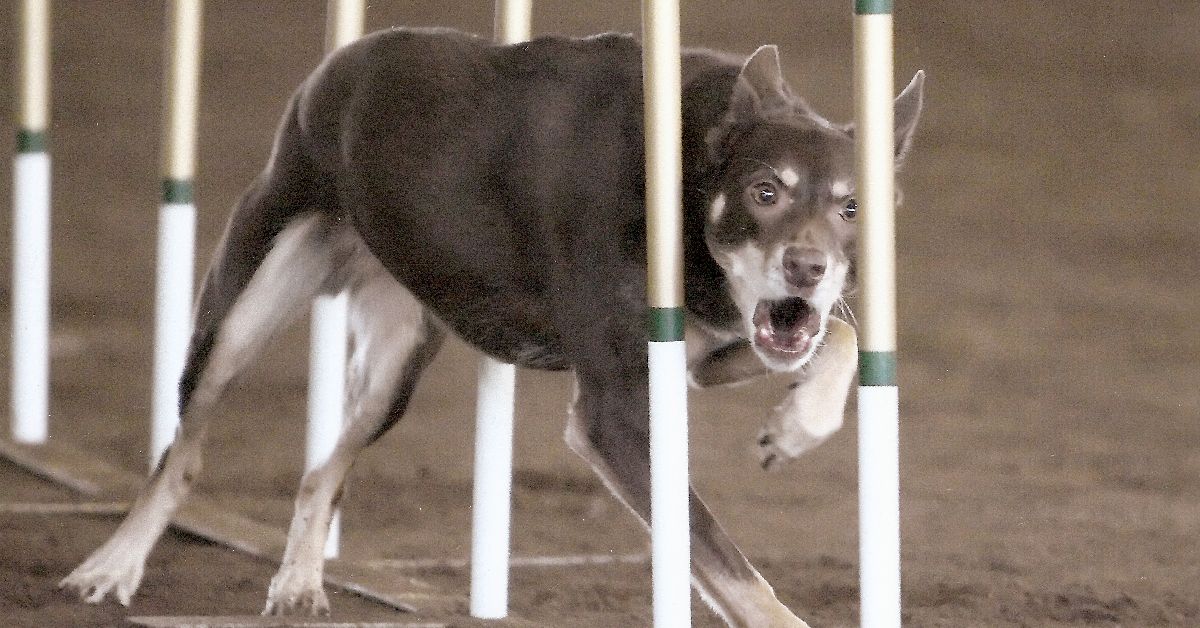
Who needs reinforcement? We all do. Yes, our dogs do. But we do too.
Those of us who are committed to training our dogs using positive reinforcement know well the power of this tool. Those of us who teach others to train their dogs work hard to teach methods to our students that set both the dog AND the student up for success… because we know that reinforcement drives behavior!
I watch my pet dog clients learning to train their dogs. It sounds so easy but it isn’t as easy as it often looks. They sometimes mention how frustrated they get when they are training on their own. (And, yes, I totally get this.) This frustration comes from lack of reinforcement… for them because they are not getting behavior they think they should be getting!
It also means that their dogs are not getting the reinforcement they need to keep them working! And that likely means that the humans are now dealing with frustration behaviors from the dog, making training even more difficult. This, then, leads to less training… because it isn’t fun for either human or dog. And THAT becomes a vicious cycle.
The culprit here is not enough reinforcement… for the person. (Likely not for the dog as well.) What is reinforcing to each of us varies. My observation is that, in the case of dog training, the key reinforcement for the person is seeing the dog “get it”.
As a result, my counsel to clients, especially those just starting with dog training, is to make their reinforcement a top priority. (And, yes, feeling the confidence that comes with positive reinforcement will help these human learners understand how positive reinforcement might help keep their dogs in the game as they experience the fun of learning!) If the human’s reinforcement comes from seeing their dog be successful, we have a win/win situation. So how do we set this up?
- Planning before starting
- Are we choosing a space for training in which the dog will be able to learn?
- Do we know what our training goal is? This means both knowing what we want to accomplish in the long term and what specific step we will be working on to help the dog get there. This can be as simple as working on eye contact or the start of a sit or down, or the first step around in a spin.
- Do we have treats our dog loves ready and readily accessible?
- Is the dog ready to work/play with us?
- Checking our own mental readiness to train. (Having previous training sessions that we have found reinforcing will help with this.)
- When training
- Starting with something we know the dog will do well. (This sets the tone of success.)
- Moving forward in training in such small pieces that it is clear to the dog what we want. The goal here is lots of “yes”es rather than an end goal of a specific behavior.
- Stepping back in our training steps if things are not going well. There is no harm in going back to an earlier step if needed.
- Playing and laughing. Laugh at the mistakes… laugh at the miscommunications. (There is some real information in these and they are often just plain cute.) Take a short play break now and then.
- Giving ourselves permission to end the session and just play with the dog if our training is not working (and then thinking about what we might change for our next session!).
- Working in very short sessions. I like to tell my clients to quit while they are ahead. Much better than waiting for frustration on the part of dog or human to set in! Learning is tiring. Take a break!
Give it a try… What is important for your reinforcement while dog training? What gets in the way of that? How can you set your training up for your reinforcement? Might this also lead to more reinforcement for your dog?
Happy Training!
[et_bloom_inline optin_id=”optin_2″]
0 Comments